The summer before college: How to prepare without missing the moment
Sean Schofield, assistant vice president of the Life and Career Design Institute at Wheaton College, shares advice for high school seniors on making the most of a summer filled with transition, opportunity and self-discovery.
For college-bound seniors, summer can feel like a strange in-between season. One chapter is ending, another is about to begin, and it’s tempting to think of the months ahead as either a victory lap or a countdown clock.
In reality, it’s an opportunity to do both: enjoy the people and routines that shaped you while also beginning to imagine the person you want to become next.
At Wheaton College, we often remind students that the transition to college isn’t just about choosing courses or packing for move-in day. It’s about beginning to build a life. And like most meaningful transitions, success doesn’t come from trying to have everything figured out before you arrive. It comes from taking thoughtful, intentional steps forward.
Start with self-reflection
One of the most important things students can do during the summer is ask themselves a few honest questions: Why did I choose this college? What mattered most to me in making that decision? What does that tell me about my values, priorities and goals right now?
Those questions are more important than students often realize because they help transform college from a destination into a purpose-driven experience.
Students sometimes assume they need to arrive on campus with a complete career plan or a perfectly mapped-out future. In reality, college is where much of that discovery happens. The better approach is to focus on small, manageable actions that build momentum.
Build connections before move-in day
Reach out to a professor whose work sounds interesting. Introduce yourself to a future classmate or roommate. Ask a staff member a question about campus life or opportunities.
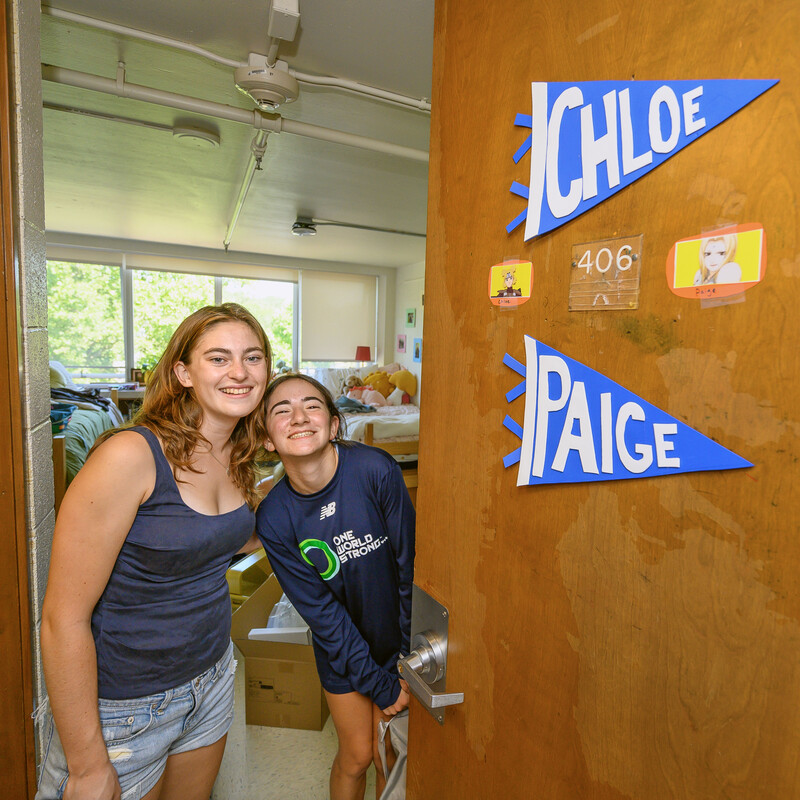
Those small conversations often become the foundation for confidence and connection once the semester begins.
Relationships matter more than students realize. For many young people, college becomes their first enduring professional and personal network. Long before students begin building LinkedIn profiles or joining professional associations, they are already learning how to form meaningful connections.
A conversation that begins with “What should we bring for the room?” can eventually become a lifelong friendship, a future collaboration or even a business partnership. It happens. I recently interviewed two Wheaton graduates for a panel discussion who met as roommates in their first year at college and who remain friends—and business partners—more than 20 years later.
Don’t underestimate the value of work — or rest
At the same time, summer should not become an endless exercise in résumé-building.
Many students will spend these months balancing three priorities: earning money, relaxing after years of academic pressure, and preparing mentally for what comes next. All three are valuable.
Summer jobs teach transferable skills, responsibility and adaptability. Volunteering can help students better understand themselves and the kinds of communities and causes they care about. Downtime matters too. Students deserve space to celebrate finishing high school and reflect on how far they’ve come.
Focus on practical preparation
One area students often overlook is practical preparation. Financial literacy, for example, is one of the most important life skills students can develop before arriving on campus.
Understanding budgeting, loans, credit cards and spending habits can make a tremendous difference in reducing stress and increasing independence during college. These decisions may seem small at first, but they have long-term consequences.
Academic preparation can also help smooth the transition. Students don’t necessarily need to spend the summer buried in textbooks, but strengthening foundational skills — especially technology and computing skills — can make the first semester far less overwhelming.
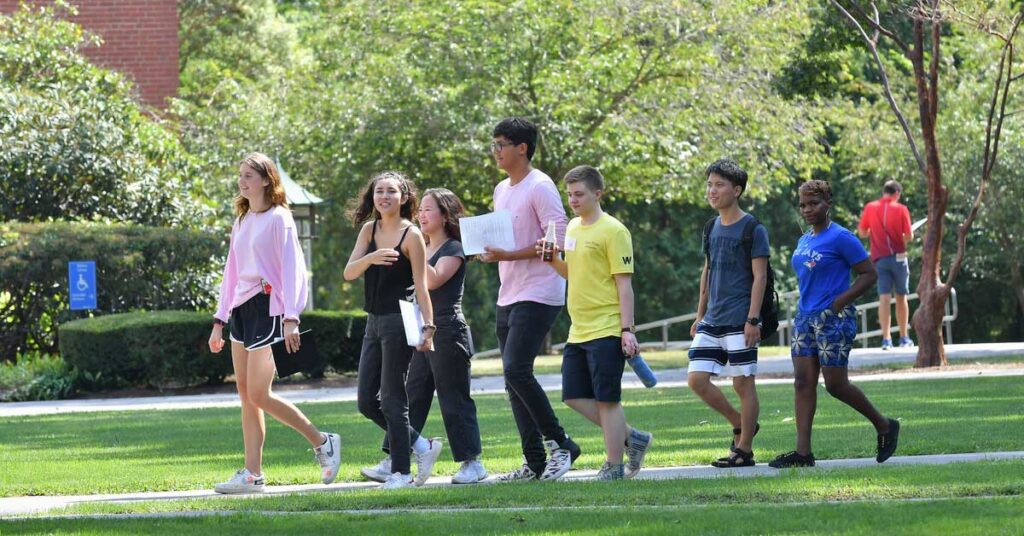
Participating in summer bridge programs, seminars or first-year experiences can also help students begin forming friendships and building confidence before classes even start.
Think of summer as a bridge, not an ending
Most importantly, students should recognize that this summer is not simply an ending. It’s a bridge.
The habits they begin building now — curiosity, initiative, relationship-building and self-awareness — are the same habits that will help them thrive in college and beyond.
-
Categories:
- Life and Career Design Institute