Ellie Levine ’18 on Building a Career in Documentary Film
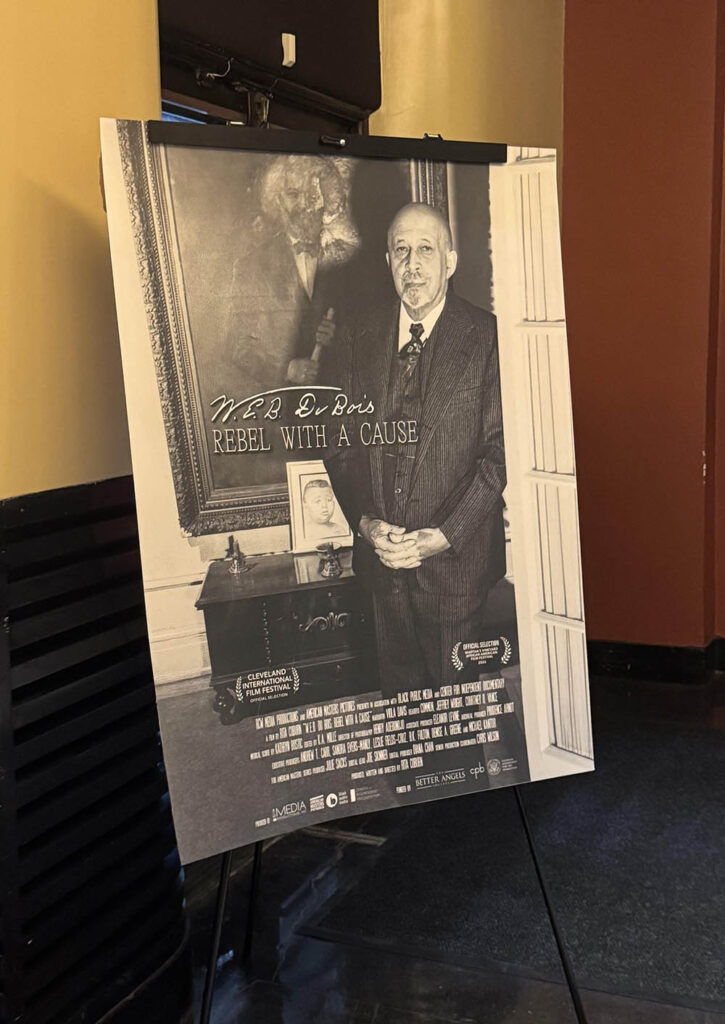
Behind every documentary are the archival materials that give dynamic stories shape and structure. Filmmaker and associate producer Ellie Levine ’18 recently wrapped up work on the PBS American Masters documentary, W.E.B. Du Bois: Rebel With A Cause that reflects both the depth and range archival research contributes to filmmaking. In conversation with film and new media studies major Sierra Seetin ’28, Ellie shared the story of her path into documentary filmmaking.
Sierra: Can you walk me through your journey from Wheaton to where you are now?
After graduating from Wheaton, I found myself working pretty quickly in post-production roles. A lot of my early work was as a production assistant and assistant editor, which gave me a strong foundation in how documentaries are actually assembled. From there, I found myself drawn more and more to archival work, like researching footage, photos, and historical materials, which ended up becoming a big part of my career.
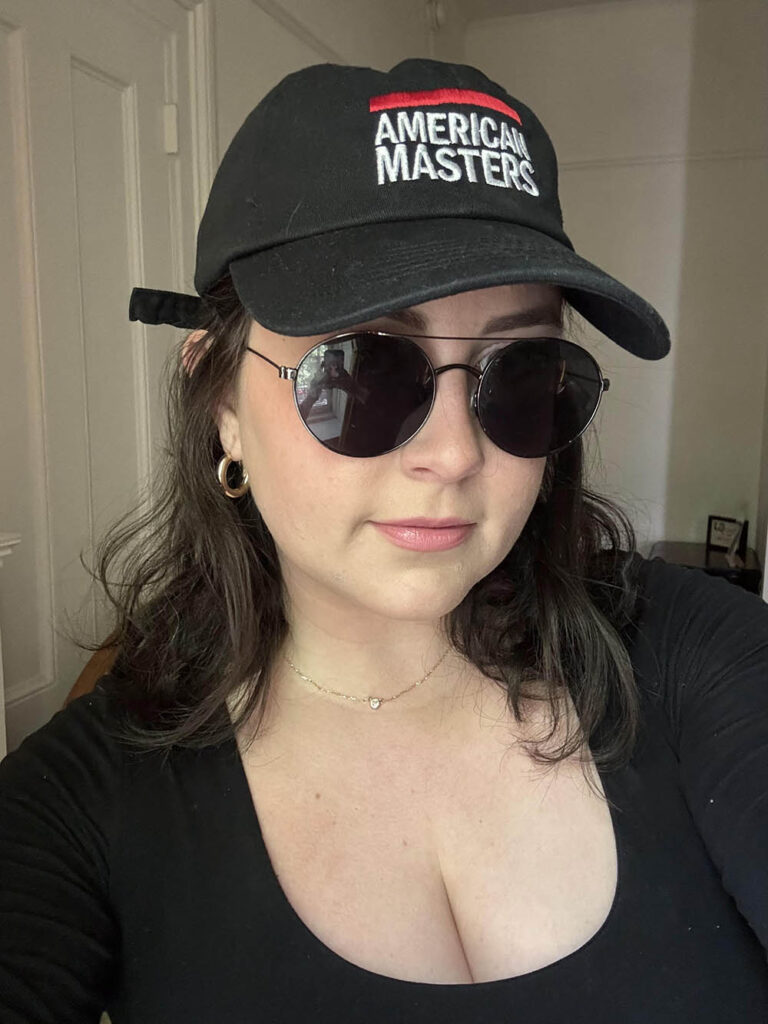
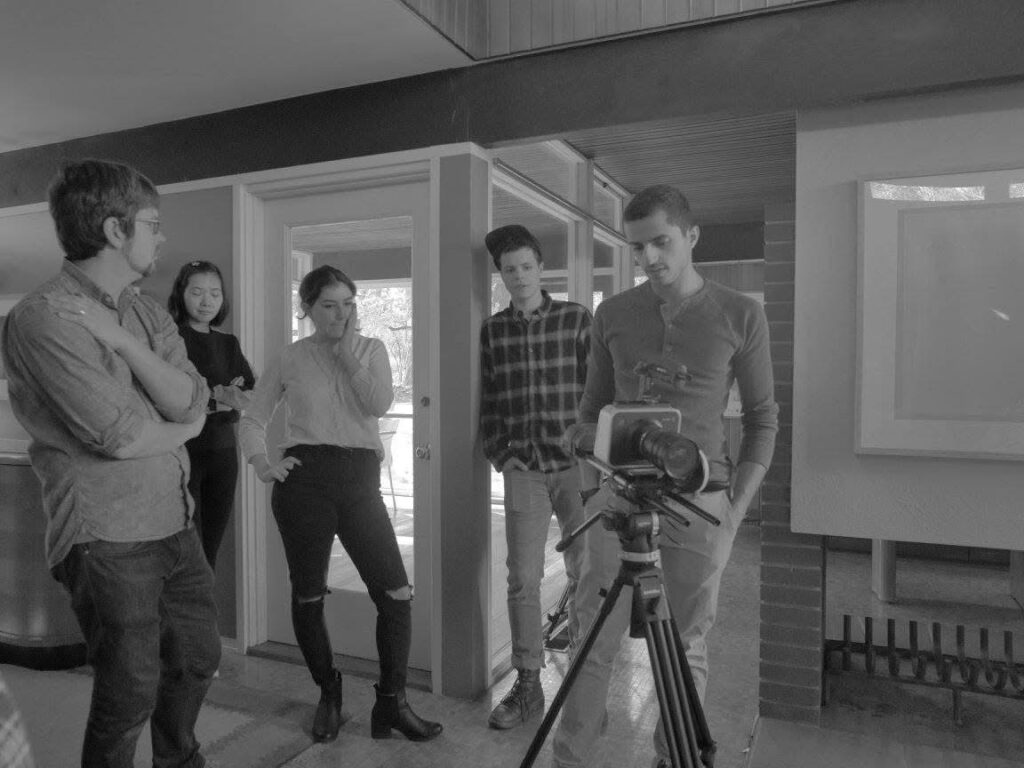
Over time, I earned more responsibility on projects, including working as an archival researcher and stepping into associate producer roles. Recently, I worked as an associate producer and post-production supervisor on a PBS American Masters documentary about W.E.B. Du Bois, where I was involved in everything from coordinating shoots to managing archival materials, and more technical things like getting document releases and pouring through historical footage.
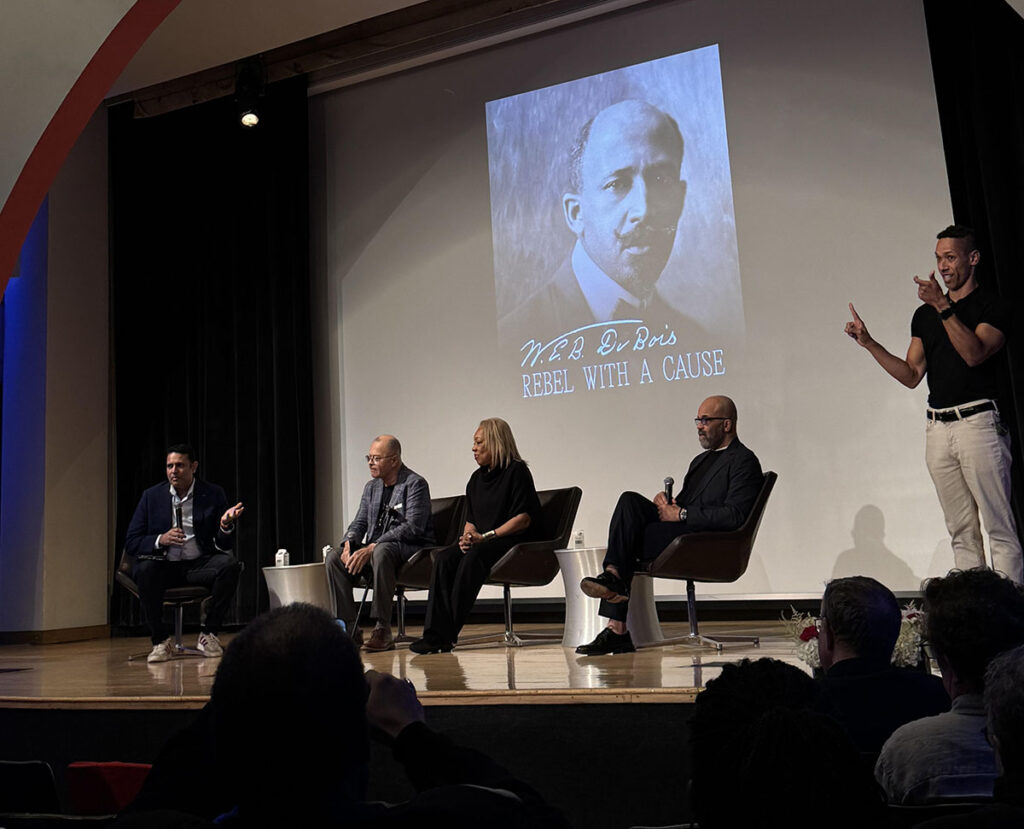
Director Rita Coburn ; Dr. David Scholar Levering Lewis ; Actor Jeffrey Wright; Exec Producer BK Fulton.
What does your average day look like?
It really depends on the stage of the project. During production, I might be helping coordinate logistics, communicating with crew, or assisting on interviews. In post-production, the work becomes much more organizational and detail-oriented, like tracking archival materials, managing edits, and keeping everything running smoothly.
A huge part of documentary work is organization. You’re dealing with huge amounts of material, and someone needs to keep track of all of it. I’m in charge of making sure everything is accessible and usable for the editor and director.
What does the archival process look like for filmmaking?
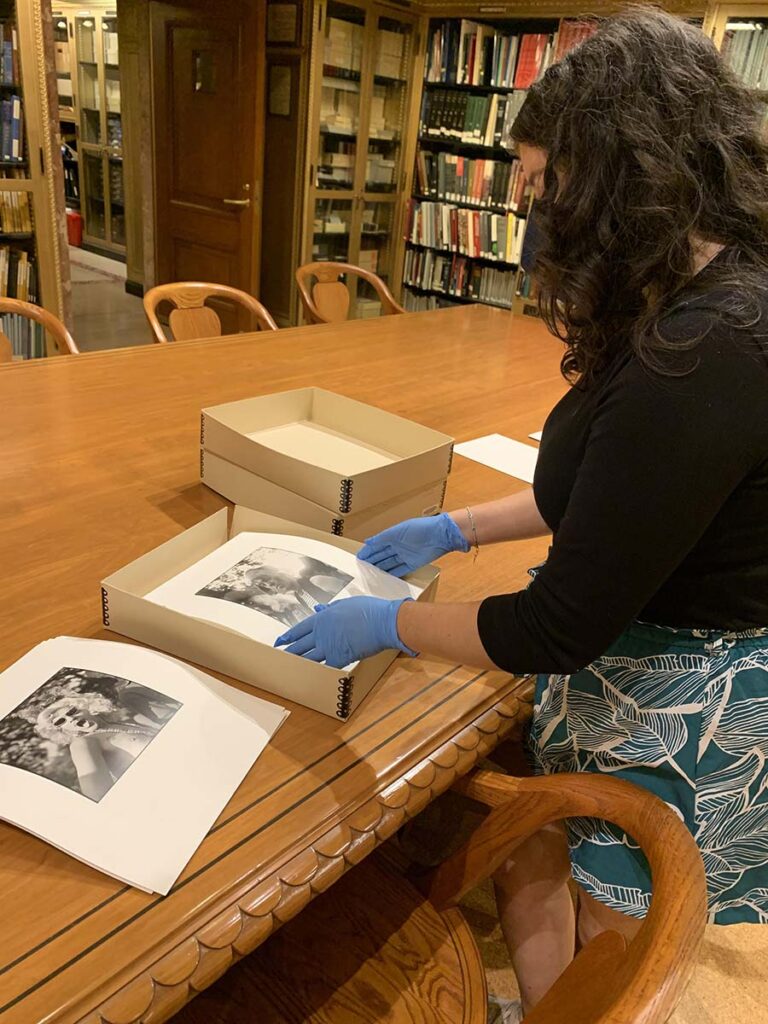
Archival research is a mix of detective work and storytelling, you’re searching for materials that not only exist, but that actually help tell the story. It’s not just about finding footage, but understanding how it fits into the narrative. In many documentaries, archival material is the story. It creates the context which informs the emotions that the audience feels, which then allows them to connect to the film. These choices you make can completely shape how the story is perceived.
That overlaps with producing as well. At the associate level, producing is a balance of creative and logistical responsibilities, you are coordinating, communicating, and supporting the director’s vision. You have to stay flexible and constantly solve problems while keeping the heart of the story alive.
What has been one of the biggest challenges in documentary work?
Funding is always a challenge. Many projects take years to complete, and securing funding can be a long and tedious process. You might be working on something for a while before it’s fully financed, so patience and persistence are really important.
How did Wheaton help prepare you for this path?
I developed strong critical thinking skills and good storytelling sensibilities. The coursework helped me understand how to analyze media and think about narrative in a deeper way. That carries over directly into documentary work.
Do you have any advice for students who want to go into documentary film?
Be open to starting anywhere! A lot of people begin as PAs or assistants, and those roles are really valuable. You learn how productions actually function, and you build relationships along the way. Also, stay organized and be someone people can rely on. In documentary work especially, those skills go a long way.
W.E.B. Du Bois: Rebel With A Cause will premiere on May 19, 2026 at 9 p.m. ET on PBS (check local listings)
-
Categories:
- Academics
- Film & New Media Studies